Summer in West Michigan brings warm temperatures, but it can also potentially bring fast-moving squalls that arrive with little warning. Powerful wind gusts, driving rain, and falling trees can leave you dealing with broken windows, damaged roofs, torn siding, and water entering the home within minutes.
Knowing when you need emergency tarping or board-up services will help limit property damage and make the restoration process much smoother after the storm passes. The most important consideration is this: Is the interior of your home exposed to the elements in any way from damage to windows, walls, or roofing? If the answer is yes, you need emergency tarping or board-up.
Why Summer Squalls Can Cause Significant Damage
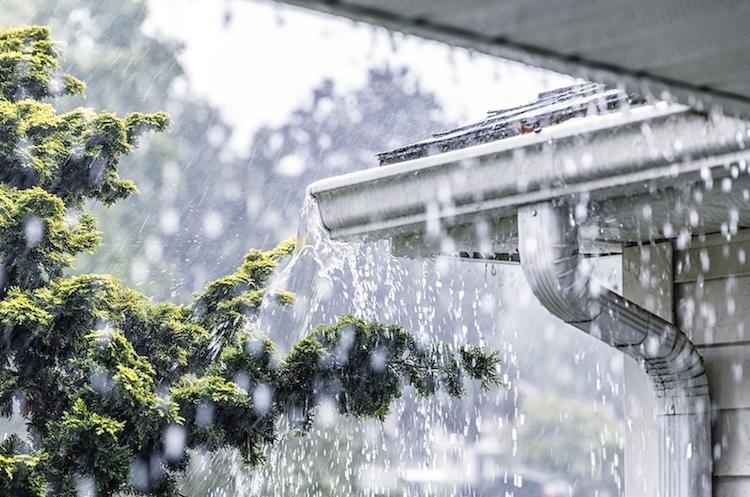
Summer squalls often develop quickly and produce intense wind and rain over a short period. Unlike steady rainfall, these storms can generate strong wind gusts that place sudden stress on trees, roofing materials, and other parts of a home’s exterior. The combination of heavy rain and wind-driven debris creates damage. A single storm may loosen shingles, snap tree limbs, shatter windows, or send water through openings that were not there moments ago.
Fallen Trees Can Damage More Than the Roof
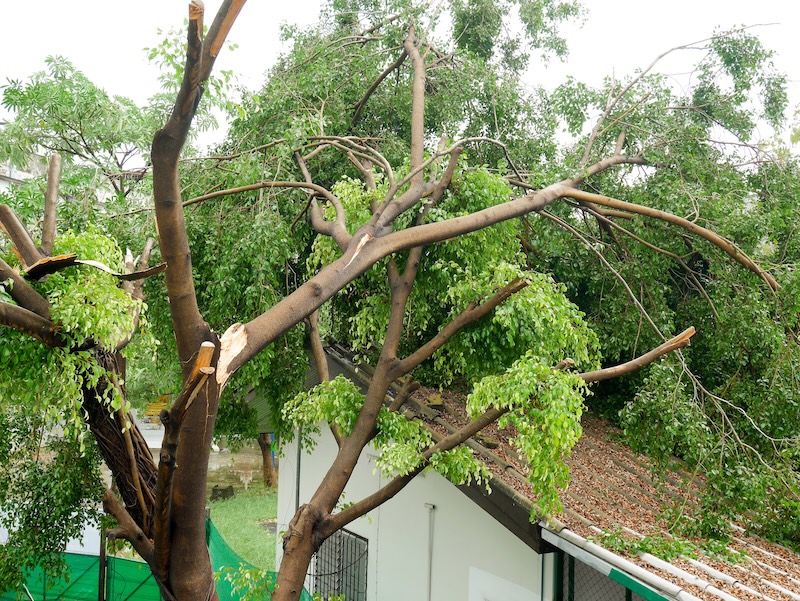
Large branches and fallen trees are among the most destructive storm and wind damage hazards you can encounter during severe weather. Depending on their size and where they fall, they can puncture roofing, damage chimneys, or compromise the home’s structural framing. Even if a tree does not fully penetrate your roof, it will be able to crack decking or loosen roofing materials enough to allow rainwater to go inside your home. In some situations, trees also pull down utility lines or block safe access to the property, making assessment important before cleanup begins.
If a tree falls and exposes your home’s interior, you need tarping or board-up to protect it.
Broken Windows Leave Homes Vulnerable
High winds can easily send branches, furniture, or other debris through your windows. Once the glass breaks, rain and wind will have a direct pathway into your living space. Water entering through broken windows can quickly damage flooring, drywall, furniture, electronics, and personal belongings. Strong winds can also carry additional debris, which can create even more damage after the initial impact.
Broken windows also create a security concern. Emergency board-up services help secure the opening and protect the property from further weather exposure until permanent repairs are complete.
Roof Damage May Not Be Immediately Visible
Not every storm leaves obvious holes in your roof. Strong winds will be able to lift shingles, loosen flashing, damage ridge caps, or expose roofing underlayment without creating visible leaks right away. Once rain begins to move beneath damaged roofing materials, water may travel along the decking or framing before entering the home.
You may notice ceiling stains hours or even days after the storm because moisture has migrated through hidden structural spaces. It’s important to inspect attics, windows, garages, and other parts of your home to see if any tarping or board-up is needed to protect less obvious areas.
Siding Damage Can Lead to Hidden Moisture Problems
Wind-driven rain does not need a broken window or a damaged roof to enter your home. Missing or cracked siding allows water to get behind exterior walls. Moisture trapped here will soak insulation and drywall before you notice. Since these areas tend to remain hidden, water damage will continue to develop long after the storm ends. Repairing damaged siding promptly helps restore the home’s protective exterior and reduces the risk of ongoing moisture intrusion. Board-up usually isn’t needed unless the damage is severe.
Heavy Rain Can Quickly Damage Interior Spaces
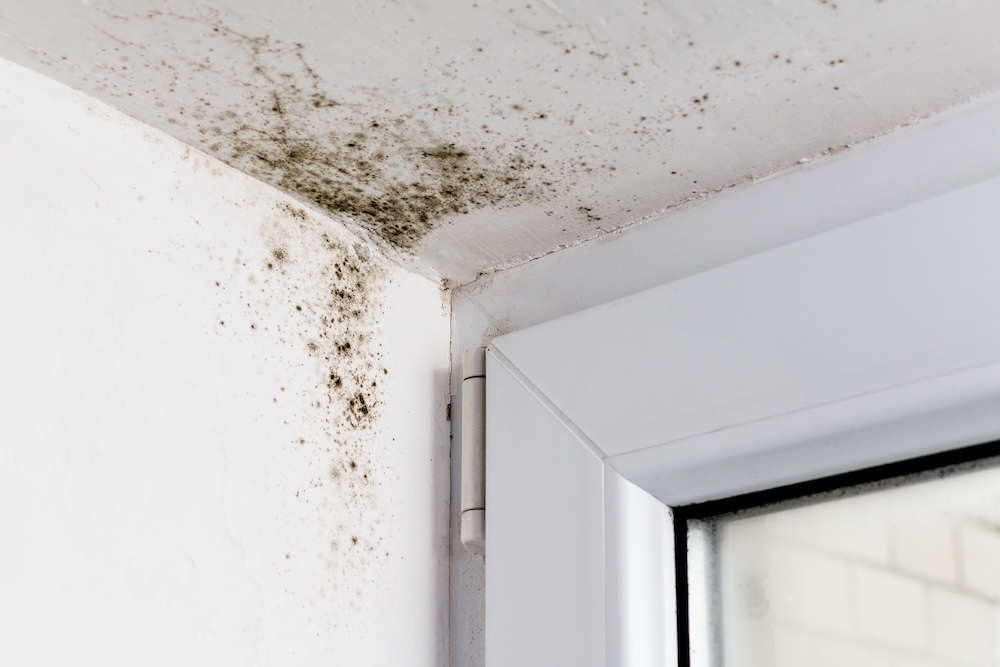
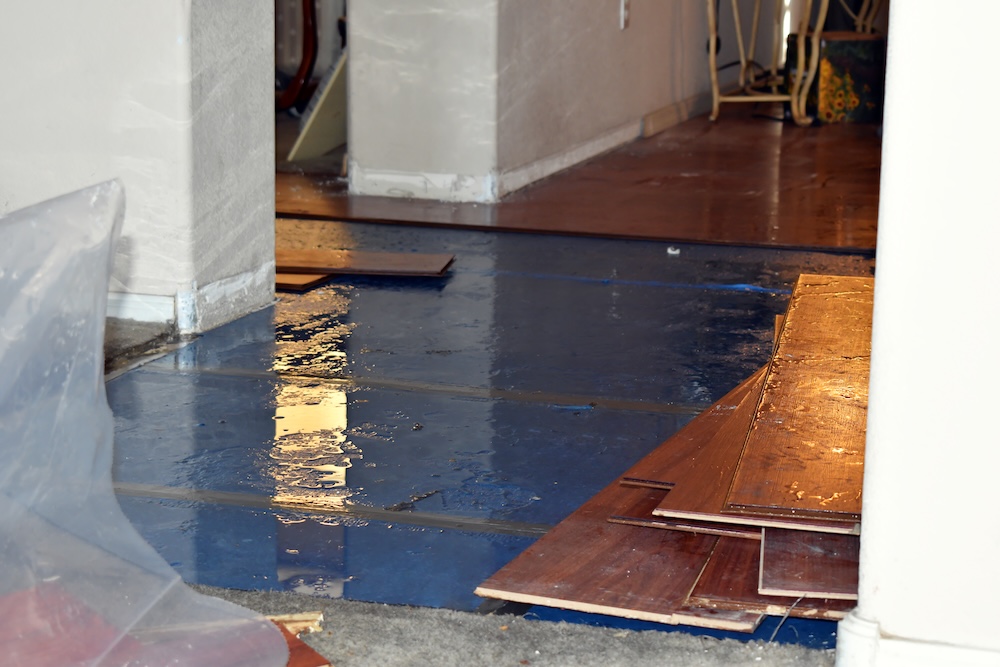
Once water enters your home, it begins affecting the building materials right away. Drywall absorbs moisture, insulation becomes saturated, framing remains damp, and flooring can begin to warp. The longer moisture remains inside, the greater the chance you will have for mold damage and structural deterioration. Fast response is critical because drying affected materials early reduces the amount of demolition and reconstruction needed later. Even small leaks need attention after a summer storm, especially if they continue allowing water into your home.
When Emergency Tarping Is the Right Solution
Emergency roof tarping temporarily protects your home after falling trees, flying debris, or high winds damage your roofing material. A properly installed tarp will help to keep additional rain from entering the home while permanent roof repairs occur. Tarping is important when exposed decking, punctures, or missing roofing sections leave the home vulnerable to continued weather exposure. Waiting for permanent repairs without temporary protection allows water damage to spread beyond the original storm damage.
When Emergency Board-Up Is Necessary
Broken windows, damaged doors, and other compromised openings tend to require emergency board-up services. Boarding these areas helps keep out rain, wind, debris, animals, and unauthorized entry while repairs take place. Homes with shattered windows, damaged garage doors, or structural openings from fallen trees tend to require immediate board-up to prevent further property loss. Acting quickly protects both the structure of your home and any belongings that remain inside.
Professional Restoration Helps Prevent Secondary Damage
Storm damage rarely ends right away once the weather clears. Water that enters through damaged roofs or broken windows will continue affecting your home until it is properly removed and the structure is thoroughly dried. Our restoration team will inspect for hidden moisture, remove standing water, dry affected materials, and identify damage that may not be immediately visible. We also document the loss to help you better understand the scope of repairs needed to restore your property safely.
Be Prepared Before the Next Storm Arrives
As a West Michigan homeowner, you will not be able to prevent summer squalls, but you can prepare for their aftermath. After severe weather, inspect your property from a safe distance. You will be looking for fallen trees, missing shingles, broken windows, damaged siding, or signs of water entering your home.
If you suspect storm damage, avoid climbing onto the roof or entering unstable areas. Instead, contact our experienced restoration team to secure your property with emergency tarping or board-up services while developing a plan for complete restoration.
Restore Your Home After Summer Storm Damage
When severe summer weather damages your home, every minute matters. Paul Davis Restoration of West Michigan provides emergency board-up, roof tarping, water mitigation, and complete restoration services to help protect your property from additional damage.
Contact Paul Davis when you need storm damage restoration or emergency board-up and tarping in West Michigan.