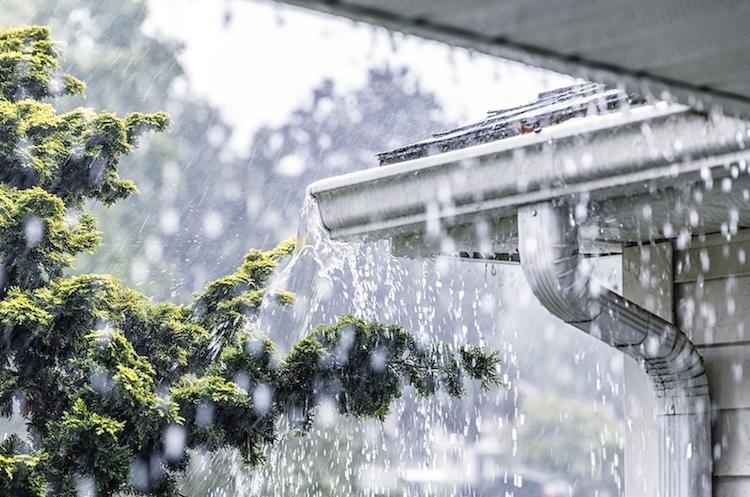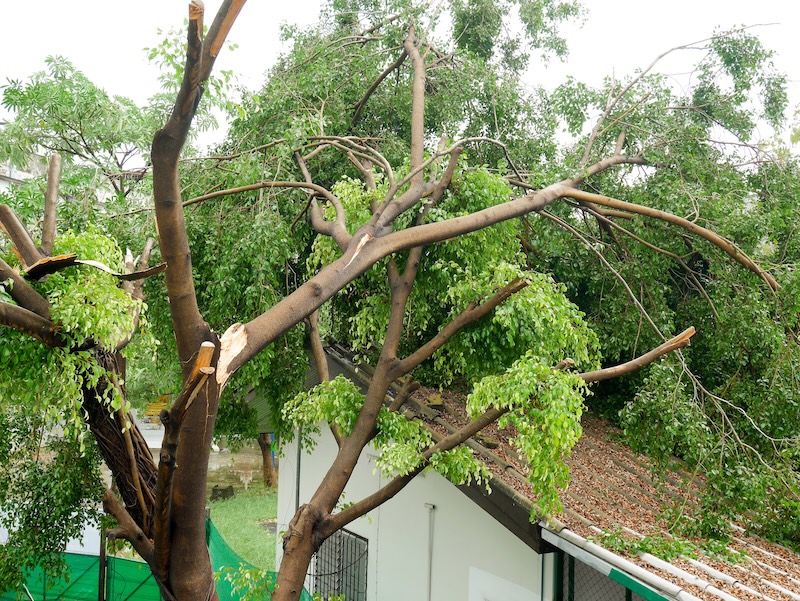
Before closing a Lake Michigan home for the season, check for hidden moisture and dry affected areas. Look around windows, floors, cabinets, basements, crawl spaces, and stored belongings. Summer storms, plumbing leaks, and indoor humidity can leave damp materials behind. Those areas may worsen while the property sits unoccupied. Homeowners in Grand Haven, Holland, Muskegon, and nearby communities should inspect before locking up for the season.
Why Hidden Moisture Matters Before Seasonal Closing
Hidden moisture can remain after a storm even when visible water is gone. Water may seep behind trim, under flooring, or into cabinets. A slow plumbing leak can create the same problem.
An unoccupied home may also receive less attention. Damp materials can stay unnoticed for days or weeks. That can lead to odors, material damage, or mold damage. Finding the source before closing helps you decide what needs drying or professional restoration.
Review recent storms, roof leaks, plumbing repairs, and appliance leaks before the walkthrough. Past problems can point you to areas that need another look. A room that dried once may still hide moisture behind finishes.
Start With Windows, Doors, and Exterior Walls
Check windows and exterior doors for stains, peeling finishes, soft trim, or dampness. Wind-driven rain can enter around worn seals or damaged exterior materials. Look closely at corners and lower sections of frames.
Check the wall beneath each window for discoloration or bubbling paint. Feel nearby trim for softness without pulling materials apart. If staining returns after rain, the moisture source may still be active. Address the source before leaving the property unattended.
Inspect Flooring, Cabinets, and Plumbing Areas
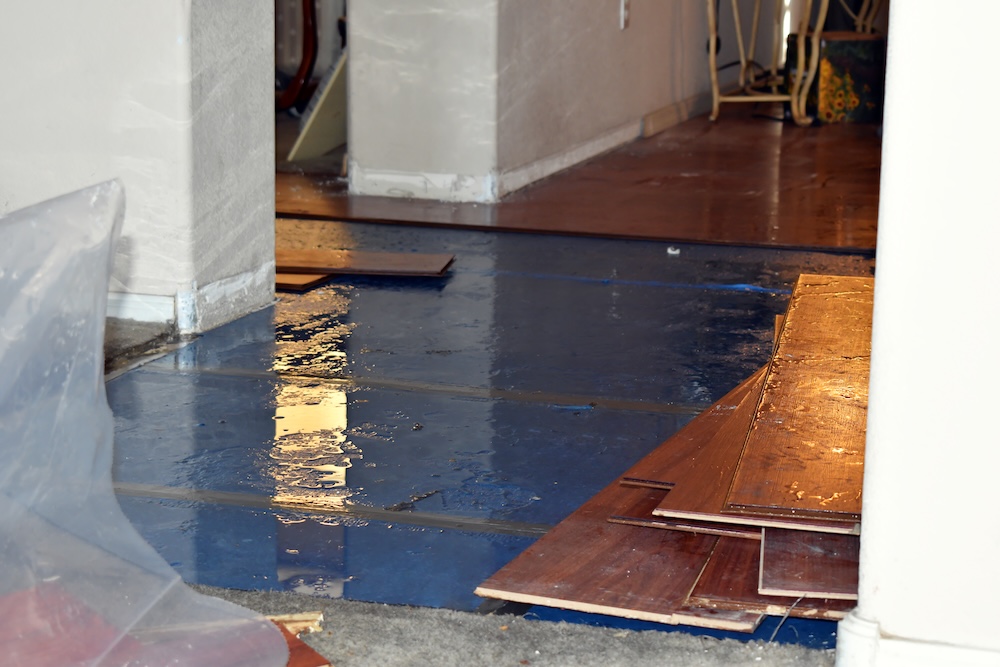
Check flooring and cabinets for changes that can signal trapped moisture. Look for warping, lifting edges, swollen materials, stains, or musty odors. Pay special attention near sinks, refrigerators, dishwashers, toilets, and washing machines.
Open under-sink cabinets and inspect supply lines, drains, and cabinet bases. Look around appliance connections for drips or damp surfaces. Check baseboards near bathrooms and kitchens for swelling or discoloration. Moisture under flooring may require professional testing when the surface looks dry.
Use a Room-by-Room Moisture Checklist
A simple checklist can keep the inspection organized before seasonal closing. Work through the home instead of checking only obvious problem areas.
- Stains around windows and doors
- Warped or lifting flooring
- Damp cabinet bottoms
- Musty odors in closets
- Rust or staining near plumbing
- Damp basement walls or floors
- Wet crawl space insulation
- Soft or stained stored boxes
One clue doesn’t always confirm hidden water damage. Several signs in the same area deserve closer attention. Note the location and photograph visible damage before moving belongings.
Look Closely at Basements and Crawl Spaces
Basements and crawl spaces deserve extra attention because moisture can remain out of sight. Check foundation walls, floors, joists, insulation, pipes, and nearby ductwork. Look for standing water, staining, condensation, or musty odors.
Do not enter a crawl space that appears unsafe or has standing water. Limited access can also make hidden damage difficult to judge. If materials feel damp or show repeated staining, professional moisture testing may be appropriate.
If the property has a sump pump, confirm the area around it looks dry. Address any known equipment problems before the home sits unattended.
Check Stored Belongings Before You Leave
Stored contents can hold moisture even when the surrounding room looks dry. Inspect furniture, rugs, clothing, bedding, paper goods, and boxes before long-term storage. Look for dampness, staining, or persistent odors.
Do not pack damp fabrics or paper items into closed containers. Moisture can remain trapped around those belongings. Keep stored contents away from known damp walls or floors. Elevating items can also reduce exposure if minor water intrusion occurs later.
Dry Minor Dampness Before Closing the Home
Small areas of fresh, clean-water dampness should be dried immediately after the source is corrected. Air movement and dehumidification can help with minor surface moisture. The material should be fully dry before closing the home.
Do not rely on appearance alone when water may have reached drywall, insulation, or subflooring. These materials can stay wet below the surface. Professional drying equipment may be needed when moisture extends beyond a small, accessible area.
When Professional Drying Is the Better Choice
Professional drying makes sense when water affects multiple materials or remains hidden inside the structure. Standing water, saturated drywall, wet insulation, or damp subflooring can require specialized equipment. Repeated moisture also deserves investigation.
Restoration professionals can measure moisture in materials and track drying progress. That information helps determine whether affected materials can dry in place. It can also reveal areas that need removal or additional work.
Call for help when you can’t identify the source or confirm the area is dry. Leaving uncertain moisture behind can create bigger problems during an extended absence.
When Mold Remediation May Be Needed
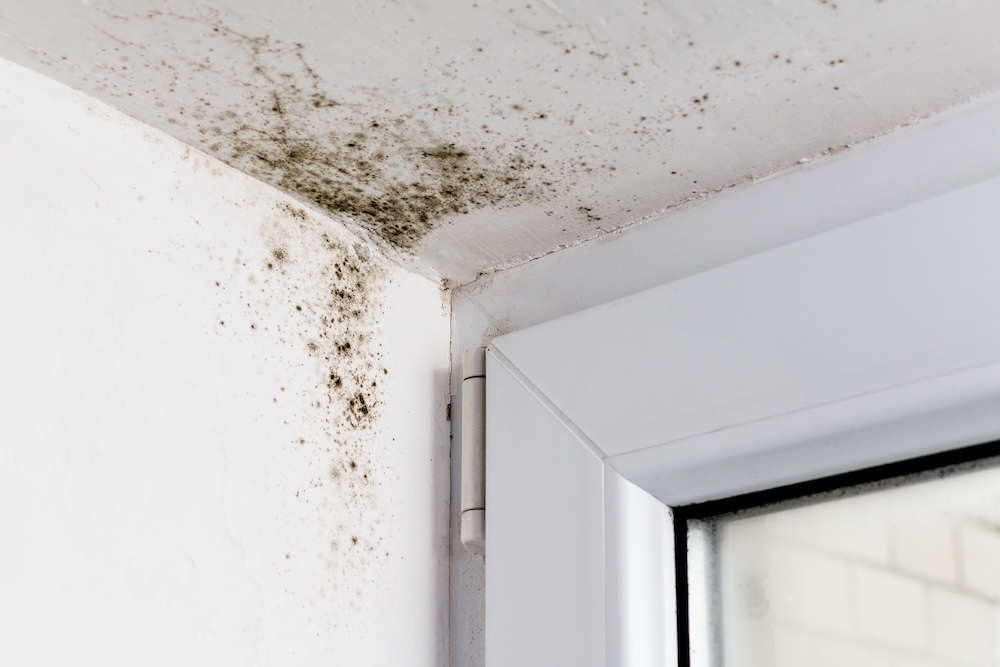
Mold remediation may be needed when visible growth appears or a musty odor persists after drying. Mold can also develop where moisture stayed hidden for an extended period. Do not disturb widespread growth before getting a professional recommendation.
The priority is controlling the moisture source. Cleaning visible growth without correcting the water problem may allow it to return. A professional evaluation can define the affected area and recommend appropriate remediation steps.
Protect Your Lake Michigan Home Before the Off-Season
A moisture assessment from a residential restoration team can reduce surprises when you return to your seasonal home. Inspect windows, flooring, cabinets, lower levels, and stored contents before closing. Address active leaks and confirm damp materials are dry.
For hidden moisture, water damage, or mold concerns, contact Paul Davis before closing your home in Grand Haven, Holland, Muskegon, and surrounding lakeshore communities for the winter.