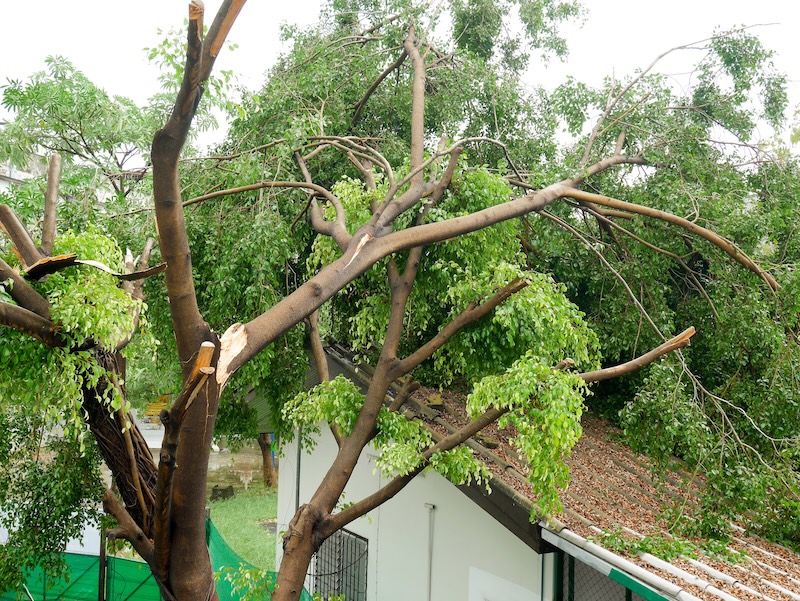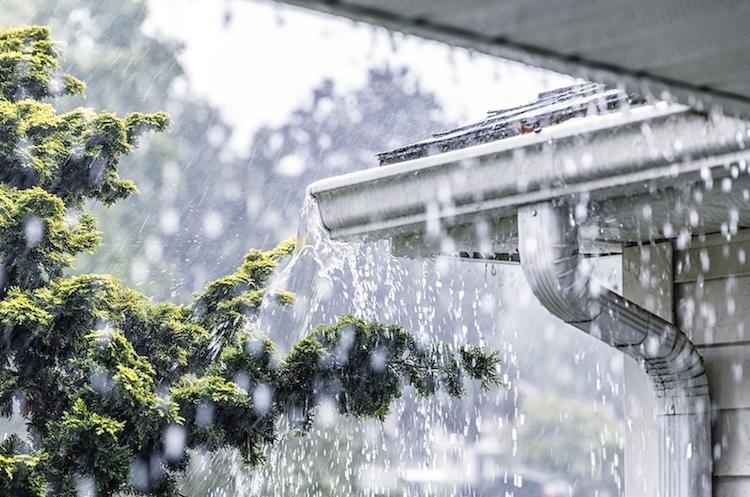
Autumn storms in West Michigan can be a major concern, as heavy rain and intense wind can overwhelm gutters, loosen shingles, and force rainwater behind your home’s siding. This water intrusion is tricky because the damage isn’t immediately obvious.
When fall winds push rain behind siding and into in your wall cavities, it can lead to serious issues like rot, mold growth, and compromised structural integrity. The key is to act quickly: Stop more water from entering, check for hidden damage, and have wet materials professionally dried to prevent long-term problems. Understanding the signs and knowing the right steps can protect your home.
How Wind-Driven Rain Gets Behind Siding in West Michigan
Your home’s siding is designed to shed water but not to be a completely waterproof barrier. It normally directs rain down and away from the structure. However, the powerful storms common to West Michigan can create enough pressure to push water horizontally and even upward, exploiting any tiny vulnerability in your home’s exterior.
Water can find its way in through small cracks in siding panels, gaps around window and door frames, or areas where flashing has become loose. Even siding that appears perfectly intact can have seams that allow wind-driven rain to penetrate. Once behind the siding, the water saturates the sheathing and can seep into the wall cavity. There, it can affect insulation and drywall without any immediate exterior signs of a problem. This is a common issue with wind and storm damage that requires professional evaluation.
First Steps to Take When You Suspect Water Behind Siding
If you suspect a storm has forced water behind your siding, immediate action is crucial to minimize damage. Start with a careful visual inspection of your home’s exterior once it’s safe. Look for any siding panels that are loose, cracked, or visibly damaged. Check for water stains on the foundation below the siding, as this can indicate where water is escaping.
Next, move inside and inspect the interior walls that correspond to the suspect areas on the exterior. Look for any signs of moisture, discoloration, or changes in the wall’s texture. It’s important to resist the urge to open up walls yourself, as this can worsen the problem or be unsafe. The most effective first step is to call a professional restoration company for an assessment. Our emergency restoration services are available 24/7 to assess the problem and begin mitigation.
Interior Warning Signs That Point to Hidden Wall Moisture
Often, the first clues of water trapped behind siding appear inside your home. Because this moisture hides within the wall cavity, you need to stay alert for subtle changes. These signs indicate that water has breached the exterior and is affecting your interior materials.
- Staining or discoloration on walls or ceilings
- Bubbling, peeling, or flaking paint
- Soft, spongy, or damp drywall
- A persistent musty or earthy odor
- Damp, swollen, or warped wood trim
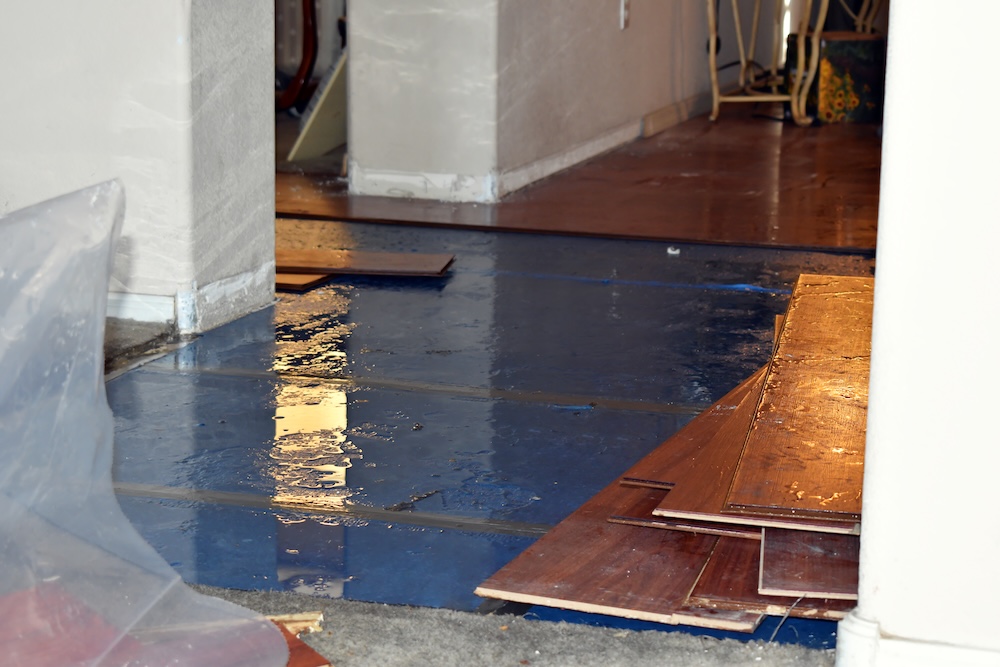
- Warped or cupping hardwood floors
- Moisture around outlets or light switches
Discovering any of these signs warrants a professional inspection. Hidden water damage can escalate quickly, so addressing it early is key.
How Restoration Crews Trace Moisture Beyond the Exterior Wall
Identifying the full extent of water intrusion requires more than a visual inspection. Professional restoration crews use advanced technology to pinpoint where moisture is hiding without unnecessary demolition. This scientific approach allows them to identify all affected areas and address them properly.
We use tools like thermal imaging cameras to detect temperature differences in wall cavities, which can indicate the presence of moisture. We also use specialized moisture meters with probes that can measure moisture content deep within materials like drywall, wood framing, and insulation. This process creates a detailed “moisture map” that guides the entire restoration and drying process, leaving no pockets of dampness behind.
Why Surface Dryness Doesn’t Mean the Wall Cavity Is Dry
One of the most common misconceptions is that if a wall feels dry to the touch, the problem is solved. Unfortunately, this is rarely the case. The surface of drywall can dry relatively quickly, but the materials inside the wall, such as insulation and wood studs, can hold onto moisture for a long time. This trapped moisture promotes mold growth and wood rot.
When Siding Leaks Become a Mold Risk
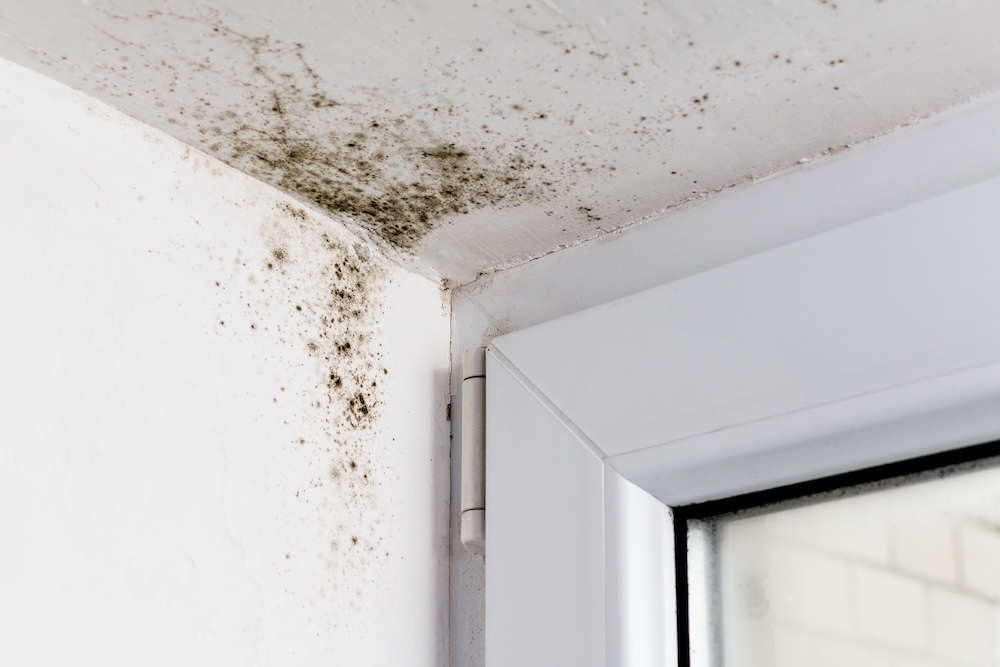
The connection between trapped water and mold is direct and develops quickly. Mold spores are present nearly everywhere, and they need only moisture, an organic food source like drywall paper or wood, and a suitable temperature to begin growing. A damp, dark wall cavity is an ideal environment.
Mold can start growing in as little as 24 to 48 hours after water intrusion. What begins as a water problem can quickly become a serious mold damage issue that can impact your home’s air quality and begin to decay building materials.
How Storm Damage Documentation Supports the Insurance Process
Navigating an insurance claim can be a stressful part of recovery. Thorough and accurate documentation from a professional restoration company is vital. We provide detailed reports that document the cause of the loss, the full extent of the damage, and the necessary steps for restoration.
Our documentation includes photos, moisture meter readings, thermal imaging results, and a precise scope of work. This evidence helps validate your claim and shows your insurance provider that the damage resulted directly from the storm. Working with an experienced team can help streamline your insurance claim process and provide the support you need.
What Happens During Water Mitigation After Wind-Driven Rain
Professional water mitigation is a systematic process to remove water, dry the structure, and prevent further damage. After the initial assessment, our team will extract any standing water. Next, we will carefully remove any building materials, such as saturated insulation or crumbling drywall, that are too damaged to be salvaged.
The most critical phase is structural drying. We wil place high-volume air movers to promote evaporation and commercial-grade dehumidifiers to pull moisture from the air. We will monitor the process daily using moisture meters to return your home’s structural components to proper dry standards. Once everything is dry, we will clean and sanitize the affected areas to prepare for reconstruction.
Restore Wind-Driven Rain Damage With Paul Davis Restoration
The intense fall storms in West Michigan can leave behind more than fallen leaves; they can cause hidden water damage that threatens your home’s health and safety. A quick response from a trusted restoration expert is the best way to protect your property from the long-term effects of moisture, including mold and structural rot. At Paul Davis Restoration of West Michigan, we have the experience and technology to trace and eliminate hidden moisture.
If you suspect that wind-driven rain has compromised your siding, don’t wait for the problem to grow. Contact us at Paul Davis for a prompt and thorough evaluation.
FAQs
How do I know if rain got behind my siding?
Look for both exterior and interior signs. Outside, you might see damaged, loose, or warped siding. Inside, common clues include bubbling or peeling paint, discolored stains on walls, soft spots on drywall, a persistent musty smell, or warped baseboards near an exterior wall.
Can wind-driven rain cause mold inside walls?
Yes. The dark, damp, and unventilated space inside a wall cavity is a perfect breeding ground for mold. When moisture from wind-driven rain gets trapped, mold can begin to grow on materials like wood and drywall paper in as little as 24-48 hours.
Should I remove wet drywall after siding leaks?
It’s best to leave material removal to professionals. Improper removal can spread contaminants like mold spores and may not address all wet materials, like hidden insulation or framing. A restoration expert can assess the extent of the moisture to determine what to remove.
Does homeowners insurance cover wind-driven rain damage?
It depends. Generally, if the wind created an opening in your home’s exterior that allowed water to enter, your policy is likely to cover the resulting damage. However, damage from slow leaks due to poor maintenance is another story. Always review your policy and consult your insurance agent.