A house fire can be extremely devastating. It can do major damage or destroy your home and belongings. It can then take months or even years before you’re able to fix everything or rebuild so that you can finally resume your normal life. This is why it’s crucial that you take steps to improve your fire preparedness and act quickly by calling in a fire restoration service should disaster strike.
In this article, we’ll look at some of the most common fire scenarios, steps you can take to lessen the risk of residential damage emergencies and the importance of enlisting professional help immediately after a fire.
Common Summer Fire Scenarios
Cooking and electricity are the leading causes of house fires. However, they’re not the only risks you need to be concerned with, especially during the summer. Wildfires are always a risk even in West Michigan, especially during periods of unusually dry weather. Many of the fires that happen in our area result from lightning strikes, but unintentional or intentional human-caused fires are also fairly common.
A significant number of unintentional fires that occur during the summer happen because of people not taking the appropriate precautions when grilling or barbecuing outside. What usually happens is that flames or embers set the decking or siding on fire, and the flames quickly begin spreading to other parts of the house. In some cases, grease can cause the flames to get so big when you open the grill that they reach the eaves and set wooden soffit or fascia panels on fire.
Wood pellet grills and smokers can be an especially big risk if they get too hot. The flames can get so big and hot that they ignite the additional pellets stored within the hopper, resulting in the entire grill catching on fire.
Smoking outdoors is another leading cause of fires. You should also be careful not to leave lit candles or torches unattended since they could potentially ignite nearby items, such as patio furniture.
Tips for Lessening Fire Risks
Some fire prevention steps are fairly simple, such as never grilling, using a fire pit or having any other type of open flames outside without a working fire extinguisher nearby. For grills, you want to make sure that you have a Class K or Class B extinguisher. These extinguishers are specifically meant for putting out grease fires and extinguishing flammable liquids. If you try to put out a grill fire with a standard ABC extinguisher, you can easily splatter the flaming oil and cause the fire to spread.
Another crucial step is to keep lit grills at least 10 feet away from any structures, fencing, deck railing, and other combustible items. Even if flames don’t escape the grill, the radiant heat it emits can still potentially lead to vinyl or wood siding melting and catching on fire. You should also never grill under a covered awning or porch or near low-hanging tree branches due to the risk of a grease flare-up causing the flames to grow much taller.
Ashes should always be disposed of in a metal container and only after they’ve fully cooled to the point where no embers remain. If you must use a plastic bin, it’s a good idea to dump water on the ashes first to ensure that they contain no residual heat that could cause the plastic to melt or burn. These same rules also apply to cigarette butts and cigars.
There is nothing you can do to fully eliminate the risk from wildfires and lightning strikes. That’s why you should also focus on making your outdoor spaces as defensible as possible to lessen the risk of ember-caused fires and to help prevent fires from spreading. For instance, don’t store any combustible items, like wood piles or furniture, within 5 feet of the house, and regularly clean up leaf litter, needles, pine cones, and other organic materials. Keep gutters free of debris, and trim trees so that branches are at least 6 feet away from the ground for added fire prevention and preparedness.
The Importance of Rapid Restoration in Reducing Total Losses
A house fire can be an extremely harrowing experience, and it’s common for people to panic and not know what they should do next. The first step is always to contact a professional fire damage restoration service and have us assess the damage and determine what steps you need to take.
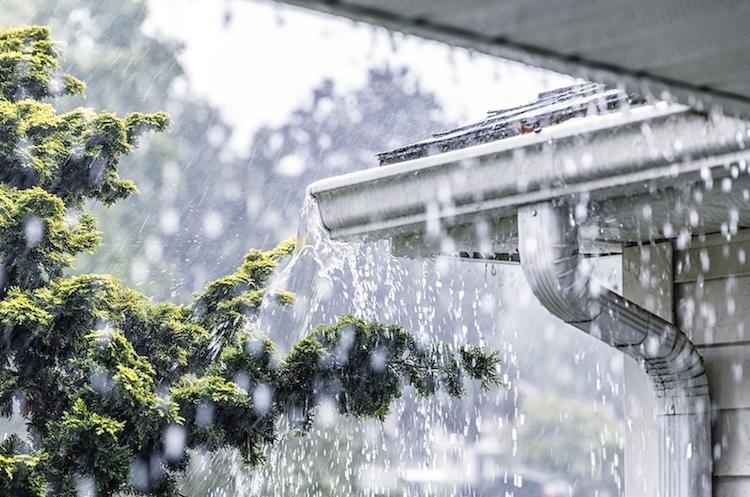
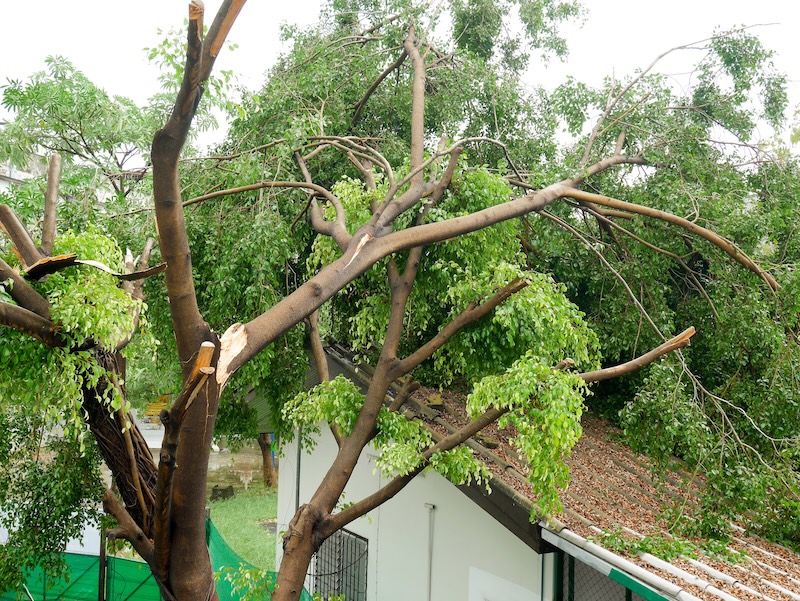
Time is of the essence when it comes to dealing with fire damage. You need to immediately start taking steps to secure the property and mitigate against further damage. Boarding up and tarping holes in exterior walls and ceilings is a crucial part of the process. The purpose is to keep out intruders and thieves, prevent water damage from rainstorms and avoid issues with pest infestations.
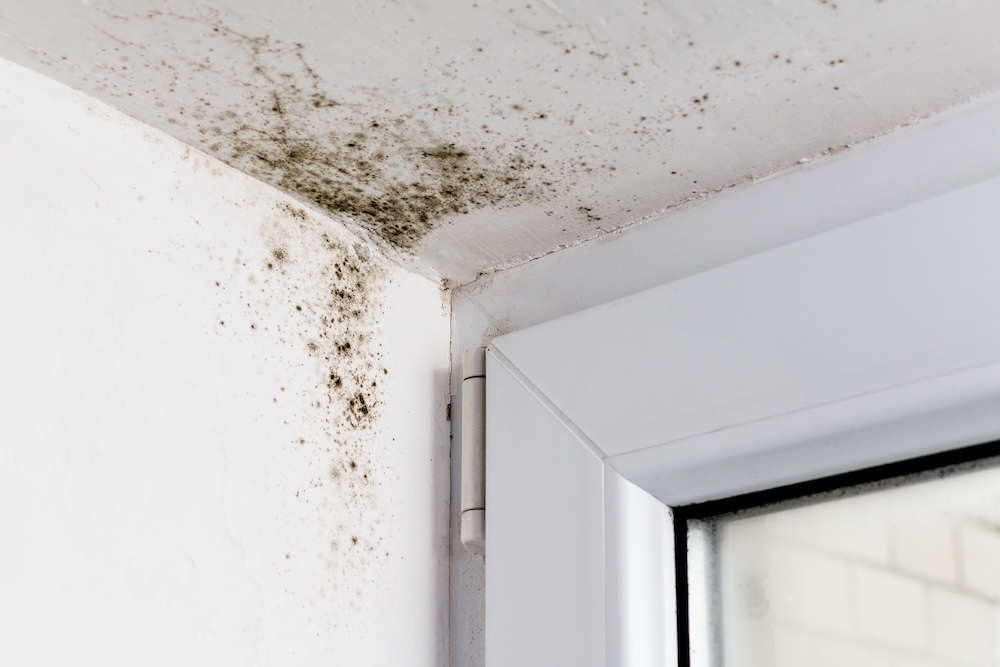
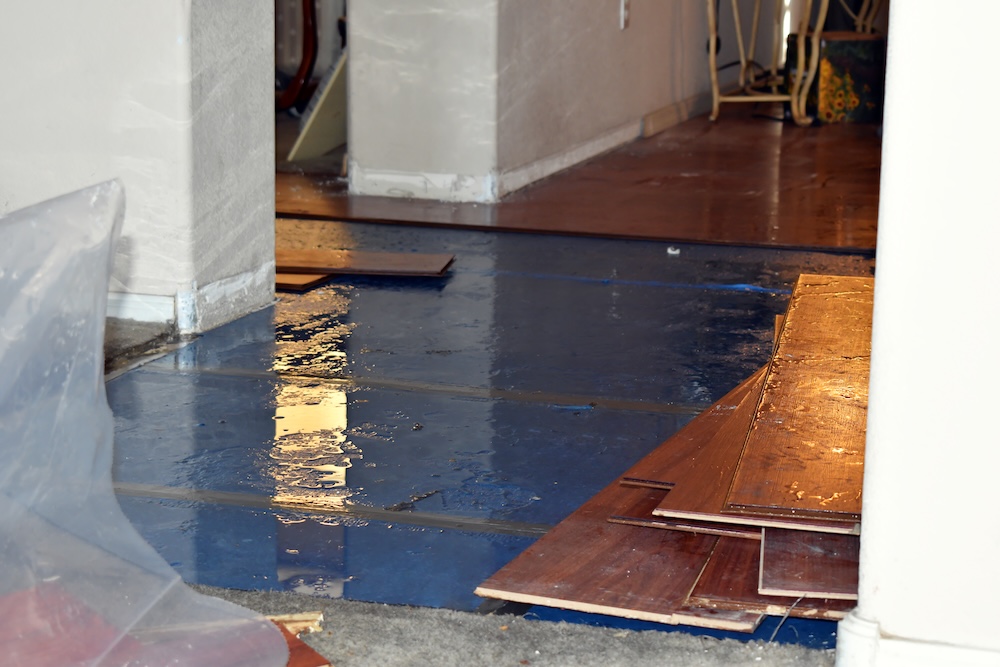
If the fire department had to use water to put out the fire, the restoration company would also immediately get to work drying everything out. By acting quickly, you can reduce the amount of water damage that you need to repair and hopefully avoid issues with mold growing inside and spreading throughout the house.
Removing any items that you want to try to salvage is another important step. It can be quite difficult to clean the smoke smell out of furnishings and other items after a fire. The longer these items sit inside, the more difficult the process will be.
At Paul Davis of West Michigan, our certified restoration technicians are ready to help whenever you need. We offer 24/7 emergency services and will respond to your call within 30 minutes. From there, we’ll handle the entire process from start to finish, whether it’s tackling mold issues or cleaning up water damage. We even offer professional document and photo restoration.
For residential restoration services in West Michigan you can count on, contact the experts at Paul Davis.